
Online Damage to Reputation
Cyberstalking, Defamation, Harassment, and Fraud
Deliberately damaging someone’s reputation can be both illegal (e.g., defamation, harassment, fraud) and unethical, but it does not stop those who have a goal in mind, e.g. to ruin another's reputation or business. Sadly there are several types of tool that are often misused, the technical skill required is not always immense.
The majority of people use technology responsibly and ethically. Some people take another path. Common tools can be misused to damage reputations, but nearly all such uses violate platform rules and often break the law. The tools themselves are generally traceable to varying degrees, especially when law enforcement becomes involved.
When people take deliberate acts intended to damage someone else’s reputation—such as spreading false statements, doxxing, impersonation, or targeted harassment—the action can be unlawful in many jurisdictions and can lead to civil and criminal liability. In case you were about to ask, doxxing is the search for and publicity of private or identifying information or documents about (a particular individual or organization) from the internet, typically with malicious intent.
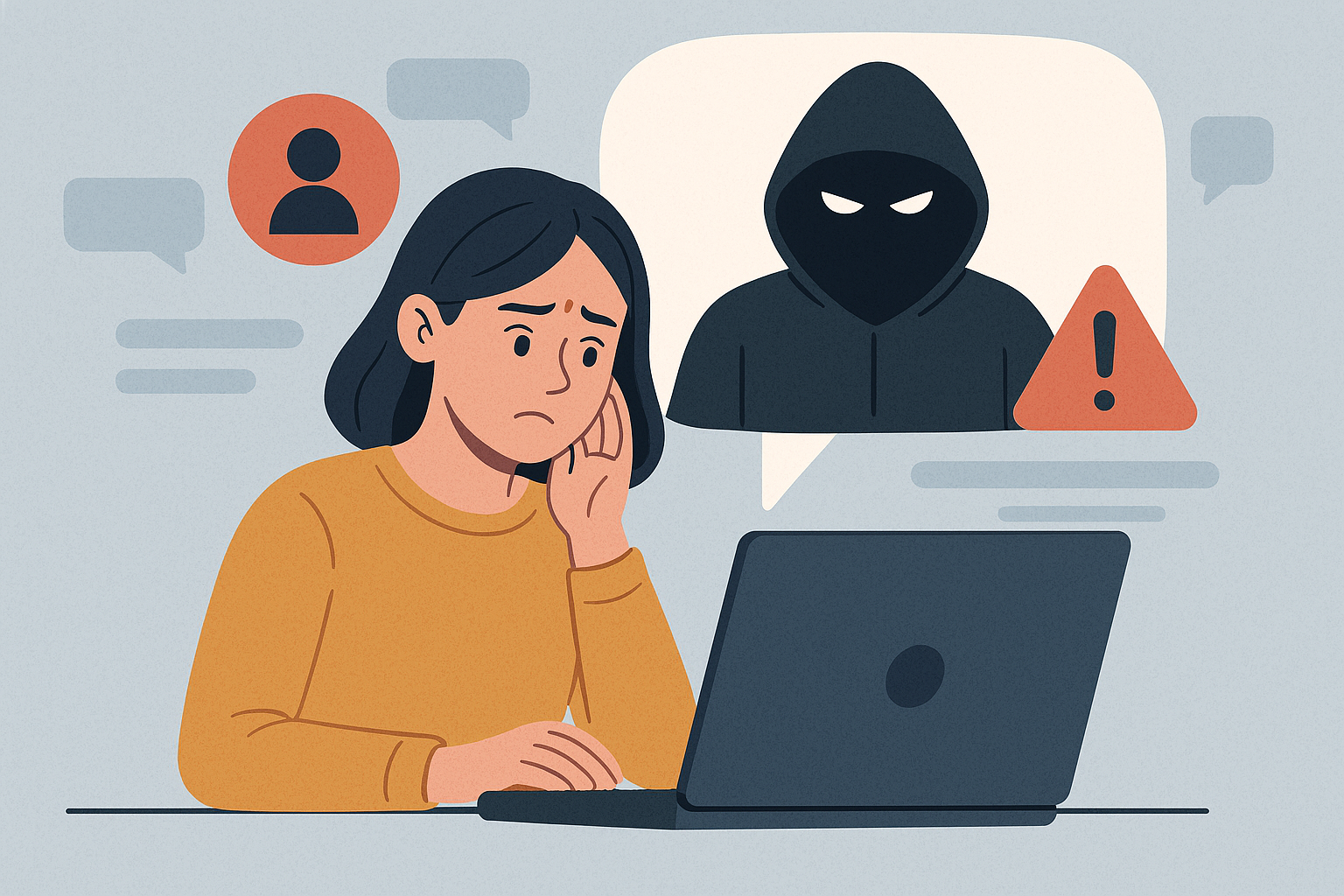
1. Tools Used
Using these tools to intentionally defame, harass, or endanger someone is unethical and in many jurisdictions illegal.
- Social Media: Have you seen the number of fake accounts being created on Facebook, X, Reddit, Quora, Instagram, TikTok and other social sites? Each is frequently flooded with false claims and negative comments.
- Review platforms (Google Maps, Yelp, Trustpilot, app stores, Airbnb-style sites which most industries have) are frequently abused for fake negative reviews and coordinated rating attacks against businesses.
- Deepfake Generation Software: such as Descript’s Overdub can simulate voices and apps such as JuicyOonga are reportedly used to create unfiltered synthetic images, video, and text. Let's be honest it is not difficult to steal pictures and logos, so creating deepfake alternates are the next step.
- Automated Botnets: are used to power botnets that generate massive amounts of high-velocity misinformation for harassment campaigns.
- Review Bombing & Extortion: Specialized scripts or "bomber" tools (e.g., SMS Bombers) can flood a target with unwanted traffic or fake one-star reviews targeting your business.
- Synthetic Content Platforms: Generative AI tools trained on internet-scraped data can be manipulated to produce "AI slop"—highly realistic but false content intended to mislead audiences or damage brand equity.
During 2025, Google has reputedly introduced a tool for businesses to report extortion attempts linked to such review-based attacks. Other sites need to do more to protect their users.
2. Technical skill required
Low skill level. This is something anyone can do:
- Posting false accusations or rumors on social media, leaving fake reviews, or sharing edited images generated by easy “one-click” apps requires almost no technical knowledge, just taking a will to setup fake accounts, which are rarely checked.
- The challenge is that on Social Media, most things are easily traced. Reddit may have random names, but these can be traced to the individuals involved.
- Many deepfake and image‑editing apps now provide templates and simple interfaces designed for non‑technical users. Copy a genuine picture and let AI do the rest.
Moderate skill. It takes a bit of time to learn:
- Running coordinated review or harassment campaigns, operating multiple sockpuppet accounts, or using basic automation (schedulers, simple bots, mass-creation of accounts) generally demands some understanding of platform rules, IP blocks, and account management. They also take time and a level of dedication.
- Open source threat intelligence (OSINT) is not complex technology. People who understand how to use this technology to protect their own reputation can also use it to to attack other platforms. Being open source it is also low cost.
- These tools systematically gather and cross‑link personal data, or tailoring smear content to exploit SEO and algorithmic amplification, requires more digital literacy.
High skill level, this requires a level of technical prowess which can be learned, given time and focus:
- Building or controlling botnets, crafting custom malware to steal private material, or building sophisticated deepfake pipelines (e.g., high‑quality cloned voice plus realistic video) typically requires advanced technical and security knowledge.
- Orchestrating multi‑platform information operations (e.g., fake “news” sites feeding into social media, backed by automated amplification) is closer to professional influence operations than to ordinary user behavior.
3. Traceability and anonymity
For the person intending to attack and person or organisation, they will soon find that no commonly used tool guarantees perfect anonymity. Traceability depends on the attacker’s skill, the extent to which they use of fake accounts, operational security, and legal context.
Usually traceable with platform cooperation:
- The dedicated faker will have alternative accounts. However through their actions, they often give away clues to their real identity, this may be crucial when tracking them.
- Social networks, review platforms, and commercial AI tools log the IP addresses for users, devices, and account identifiers, which can be tied to individuals through requests from law enforcement or civil discovery in serious cases.
- Many deepfake and image-editing services also store upload metadata or account histories, even when they appear “anonymous” to ordinary users.
Partially traceable / harder but not impossible:
- Use of VPNs, disposable email addresses, prepaid SIMs, or privacy browsers can obscure origin, but patterns of behavior, payment records, or mistakes (reused usernames, shared devices) often re‑identify users.
- Botnets and automated accounts can mask which human is in control, but infrastructure, payments, and command‑and‑control servers may still create investigative leads.
Stronger anonymity tools:
- Tor networks, some encrypted messaging apps, and certain anonymous hosting services offer stronger protection against casual tracing, but they still have limits and may attract enhanced scrutiny.
- Even when the original perpetrator is not identified immediately, platforms may still remove content, suspend accounts, and preserve logs for future legal action.
Global businesses increasingly use modern forensics tools like Sensity AI, Reality Defender, or Intel’s FakeCatcher to analyze biological signals or pixel-level inconsistencies to prove content is fraudulent. For small business affordability is always a challenge.
Spotting fake or malicious reviews or Reviewers
Look for vague or copy‑paste style language: Fake reviews often avoid concrete details about the service or product used, or what actually happened, and may lean on generic praise or over‑the‑top complaints, such as being too expensive.
Check the reviewer's history There are certain clear red flags, such as reviewers having only one review, and ironically the other extreme a reviewer having dozens of unrelated reviews across random locations and industries. How can a person living in Venezuela, review a coffee shop in Los Angeles, an Optometrist in Belgrade, a bakery in Teheran, Iran, a Law firm in Niagara Falls Ontario, and a Tarot Shop in Toronto, all within 76 hours? It is physically possible, but highly unlikely.
Watch timing and patterns: Sudden spikes of very positive or very negative reviews given in a short window, especially from similar-sounding accounts, suggest coordinated manipulation. Although there are genuine reviewers that only use initials, because they genuinely seek to remain anonymous, the fake reviewer also does the same, using anonymity to hide their illegal activity.
Examine tone and details, showing “all good” or “all bad” language, repeated phrases, or stories that don’t match your records (wrong dates, wrong service, impossible scenario) are often signs of a fake review. Law firms, like Invictus Legal LLP maintain a daily call log, all incoming calls and outgoing calls that relate to the business. The firm has a diary of all meetings, including sales meetings. a full CRM with the names of all customers and prospects. When a review is added you must first track them against the CRM database, based on the name and work performed; it is clear to see the fake reviews.
Forums exist to swap five star reviews, given such forums exist it is easy to see how review swaps can take the form of "I will give you a five star review and in return you give my competitor a one star review stating..." Our investigators have trapped review swappers making such offers. Further as the review is copied and pasted, unchanged, from the spammer's instructions it is possible to detect the writing style of the attacker.
What to do if You Are a Victim?
- Report and remove fake reviews, if possible. Each of the review sites have a "“Report” or “Flag as inappropriate” option, us it to report the review. Whether the review provider, such a Google removes it is chance. Please note that removing the review does not necessarily recover your score.
- Escalate with evidence if basic flagging fails, although it has to be said that many digital sites have poor quality customer service and may reject you approach. Contact the platform’s business support or help center and submit a ticket including order numbers, screenshots, and proof the reviewer was never a customer or is a disgruntled ex‑employee or competitor.
- Respond publicly but professionally. Post a calm response noting you cannot find any record of the transaction and inviting the reviewer to contact you directly. Do not get angry.
- Avoid outing suspected identities or making accusations, even if you are convinced about their identity. You are likely right, but that can be the subject of legal action.
- Find a Paralegal or a Lawyer, like Invictus Legal LLP, to fight your case there are many steps that we can take. but it is vital that you act fast. If the action is defamatory thentime limits exist.
Spin Legal